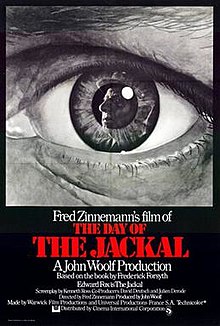
An air of inevitability hangs about Fred Zinneman’s “The Day of the Jackal,” based on Frederick Forsyth’s book about an attempted assassination of Charles de Gaulle. (There was an attempt, but Forsyth’s book is almost entirely fiction.) The 1973 film adaptation is the espionage equivalent of a police procedural, and the would-be assassin’s preparations, juxtaposed
This is my entry in the delicious Food in Film Blogathon, hosted by Silver Screenings and Speakeasy. Check out the many treats from Day 1, Day 2, and Day 3! Let’s just start by acknowledging that Peter Greenaway‘s “The Cook, the Thief, His Wife, and Her Lover” is not for everyone. And that’s okay.
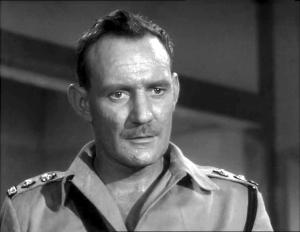
As a representation of colonial Sierra Leone, where the whole story takes place, it isn't especially illuminating...except of course for the marked absence of black characters or local events impinging on the plot in any way. If you're not much interested in colonialism, it's a wonderful film.
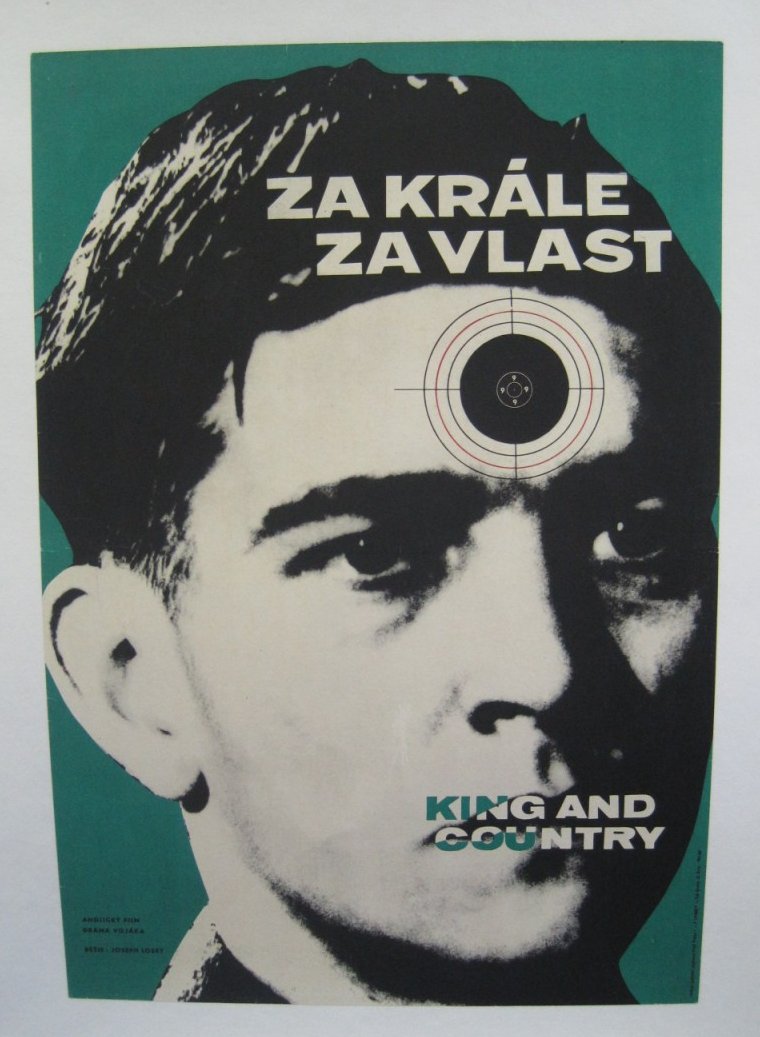
One of the great—and somewhat overlooked—films about World War I was originally made for television in Britain, filmed entirely on a claustrophobic set with a small budget and a tight schedule (just under a month). Directed in 1964 by Joseph Losey, an American ex-pat across the pond, "King and Country" is based on a fictionalized memoir.
The main character, the Peeping Tom of the title, is Mark Lewis (Karlheinz Böhm), a focus-puller (assistant cameraman) at a British film studio. But this is merely cover for Mark’s real calling—documentarian. The artistic child of a scientist, he documents the murders of women he commits using a dagger hidden in his camera’s tripod.